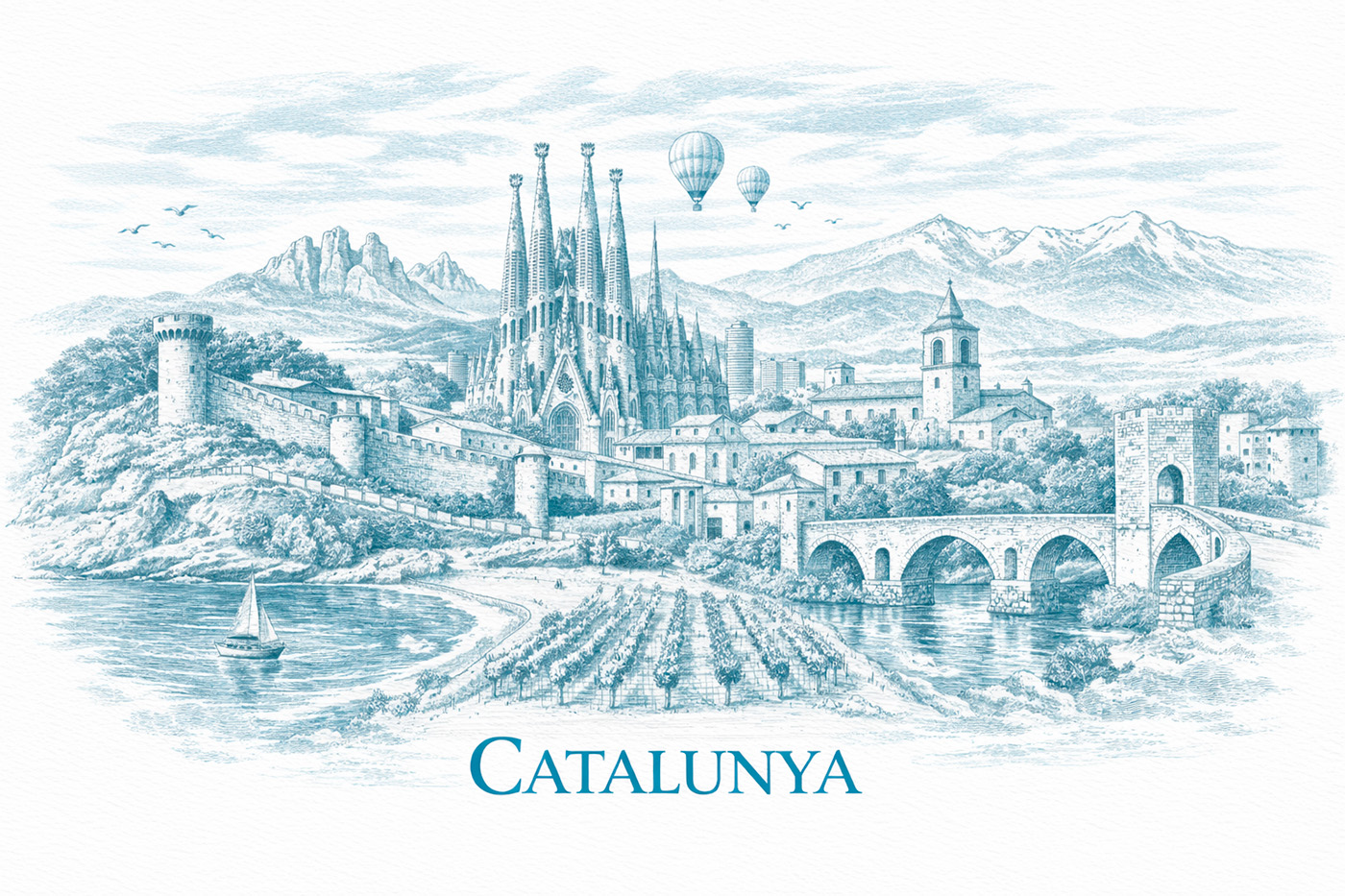

Santa Susanna · Costa del Maresme
This region changes beautifully with the seasons.
Not only in colour, but in pace, in light, and in the way it is lived.
In summer, everything turns towards the sea — long beach days, warm evenings, local festivals, fireworks, music, and that unmistakable holiday atmosphere that settles over the whole coast.
In spring and autumn, the region becomes quieter, softer, and more open: medieval towns, slow lunches in old squares, drives inland, and days with a little more space around them.
In winter, another side of the coast appears — old towns, museums, living nativity scenes, peaceful walks by the sea, and the calm that returns once the high season has passed.
It is not a place for only one season.
It is a place to return to, and each time to discover it in a different mood.

Santa Susanna is a family seaside resort town, and that is very much part of its charm.
In summer, it becomes all about the wide beach, the long promenade, and the full feeling of the holiday season: walks by the sea, music, lively cafés, warm evenings, and the gentle bustle around which life here naturally unfolds.

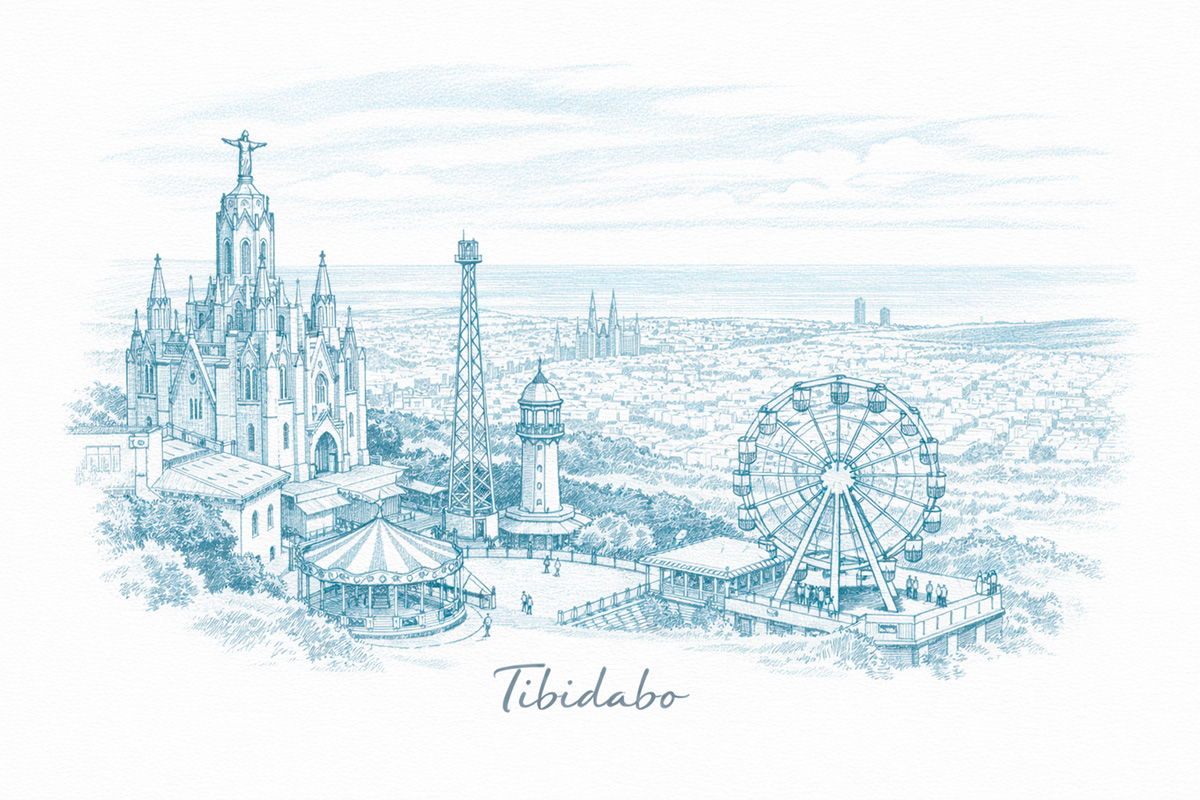
Barcelona is a city you can never truly know in a single trip, but one that is very easy to fall in love with.
There is Gaudí, of course — Sagrada Família and Park Güell — but also Miró, Picasso, museums, exhibitions, festivals, family outings, long walks, and views over the city.
It is wonderful all year round, but often especially enjoyable outside the height of summer, when the pace is gentler and the city easier to experience.
February and March are already beautiful months to visit, and April is especially lovely, when everything feels lighter, greener, and more in bloom.
Barcelona is a city that opens differently each time you return.

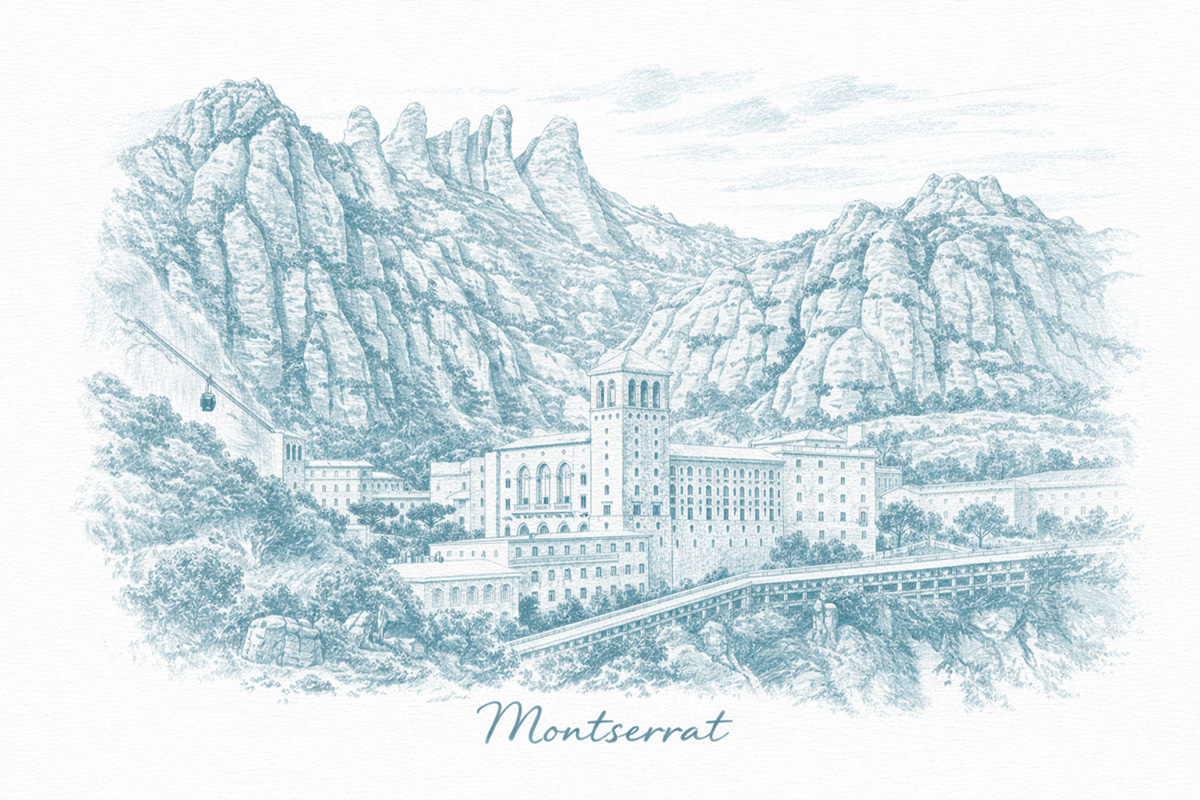
Montserrat is one of those places that is difficult to explain through views or history alone.
People do not come here only for the monastery, the mountains, or the famous silhouette of the rocks. They come here for a feeling. For the silence, which sounds different here. For the light falling on the stone as if everything around it were becoming older, deeper, and calmer.
Montserrat is not so much a landmark as it is an experience: a place where you want to walk more slowly, speak more quietly, and simply give yourself time to look into the distance.

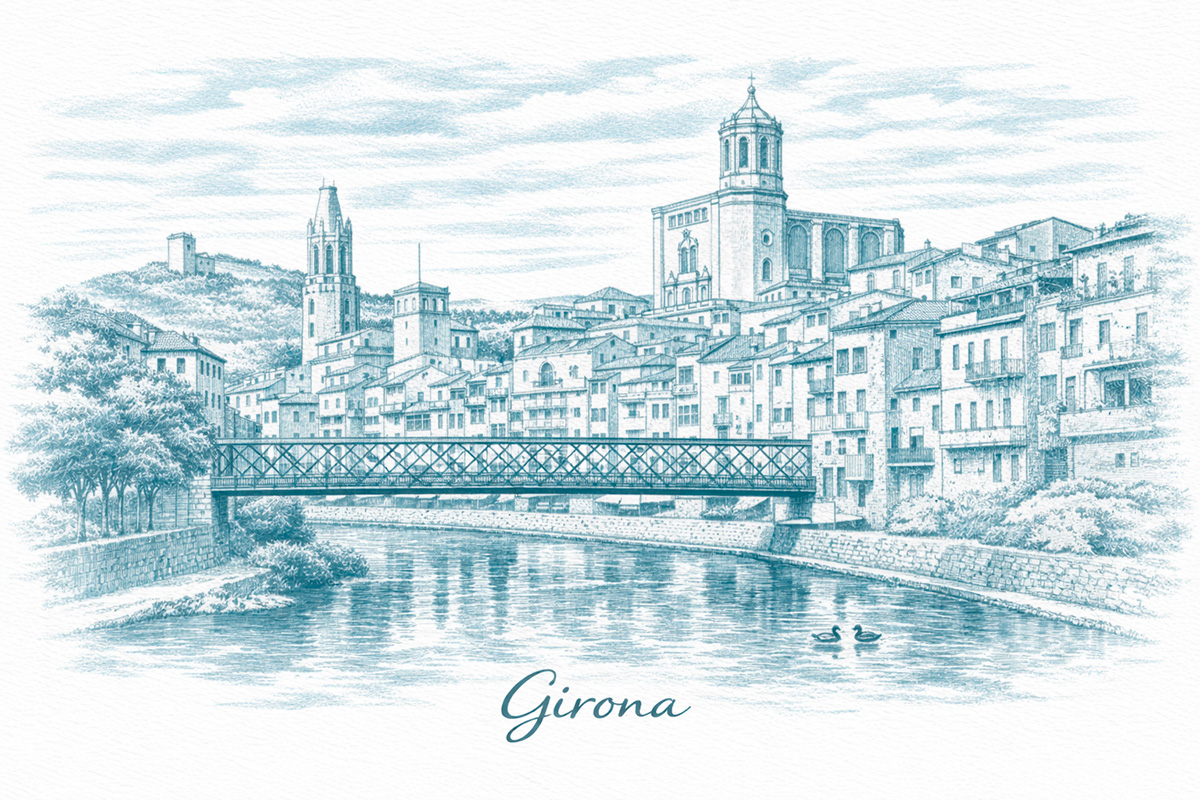
Girona has a different kind of beauty in every season, but in May it becomes especially magical during Temps de Flors.
For a few days, courtyards, stairways, gardens, and historic spaces across the city are filled with flowers, and the old town feels even more dreamlike than usual.
At any time of year, Girona is worth visiting for its old streets, stone stairways, quiet squares, and beautiful Jewish quarter, which gives the city so much of its depth and character.

Vic is a city with a strong Catalan character.
Not decorative or postcard-like, but lived-in, grounded, and deeply local in feeling. Here, everything rests not on spectacle, but on the rhythm of everyday life: the great square, the market, the old streets, traditions, and that inner coherence you sense so clearly in cities like this.
It is worth coming here for a more authentic Catalonia — calmer, more rooted, and deeply connected to its own culture.

Figueres is so closely bound to Dalí that it is almost impossible to speak of one separately from the other.
People come here not only for the famous name, but for a particular feeling — the moment when art stops seeming separate from the city and begins to enter the very fabric of its everyday life. Here, much feels slightly shifted, slightly unexpected, slightly outside the usual order — and that is exactly how Dalí's presence is felt most strongly.
Figueres is not simply a stop on the map for the sake of a museum, but a place where reality itself becomes, for a while, stranger, brighter, and freer. It is worth coming here for an impression that resists any precise explanation long after the visit is over.

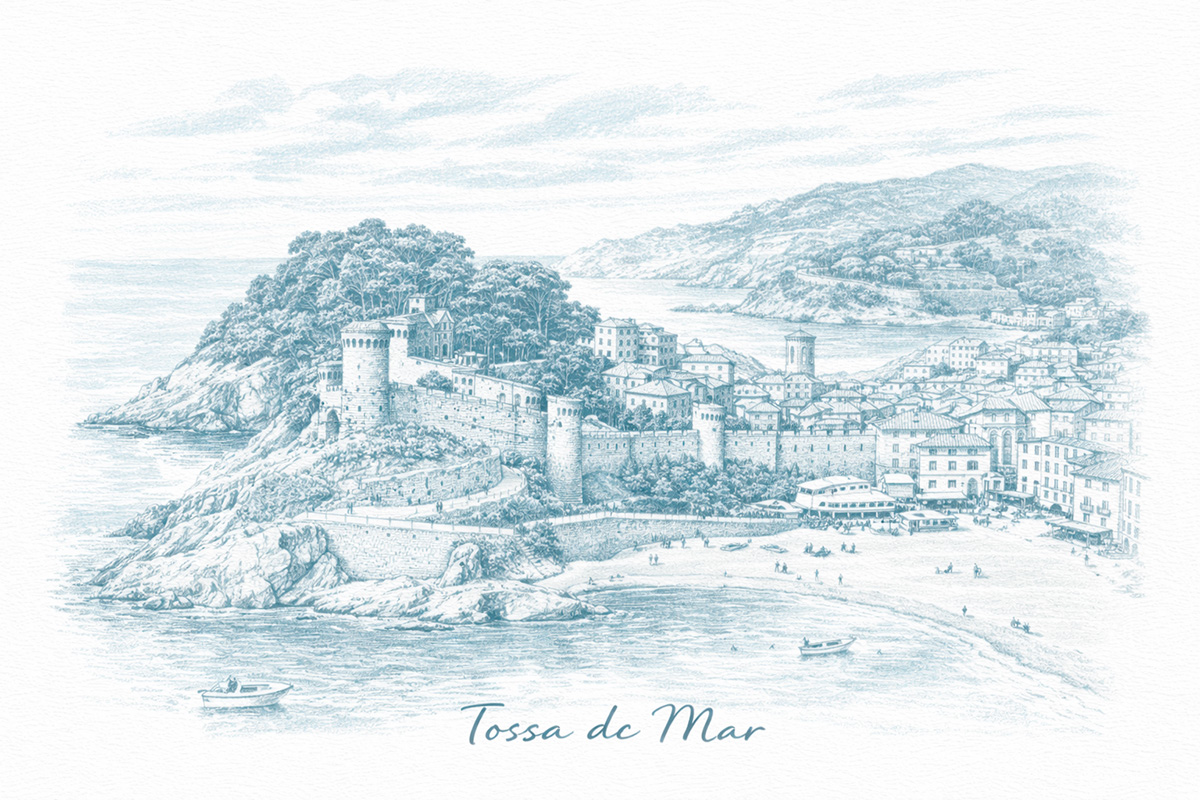
Tossa de Mar is one of the coziest places on this stretch of coast.
The old walls above the sea, the bay with its boats, the narrow streets, and the evening, which is especially beautiful here, make it not only beautiful but truly vivid and memorable.
It is a town that stays in the memory not as a collection of sights, but as a warm and deeply coherent impression.
If, at some point, you feel like changing the rhythm and spending a day not by the water, but among old streets, squares, stone façades, and small towns with character, there are many such places around here. This is another side of the region — quieter, more historical, more inward. These are places to go not for a packed programme, but for a walk, a long lunch, an unhurried day, and that rare pleasure that comes when there is nowhere you need to rush to.

Pals is small, intimate, and full of charm. It is best enjoyed without a plan — turning into narrow streets, looking at stone façades, and simply allowing yourself not to hurry anywhere.

Peratallada is one of the most beautiful stone villages in the region. It is very small, yet its streets, arches, and old walls have such a sense of wholeness that all you really want to do here is walk slowly and look around.

Monells is especially defined by its square and the calm that gathers around it. It is a place not for rushing, but for a slow walk, a coffee under the arcades, and a few hours spent in a very gentle, old rhythm.

Hostalric feels stricter and more solid than many of the other small towns around it. Its walls, fortress, and history give it a more guarded, more watchful character from the very first moment.

Peralada feels calmer and more refined in mood. Its old centre, quiet streets, and overall sense of restraint make it especially pleasant for a slow walk and an unhurried lunch.